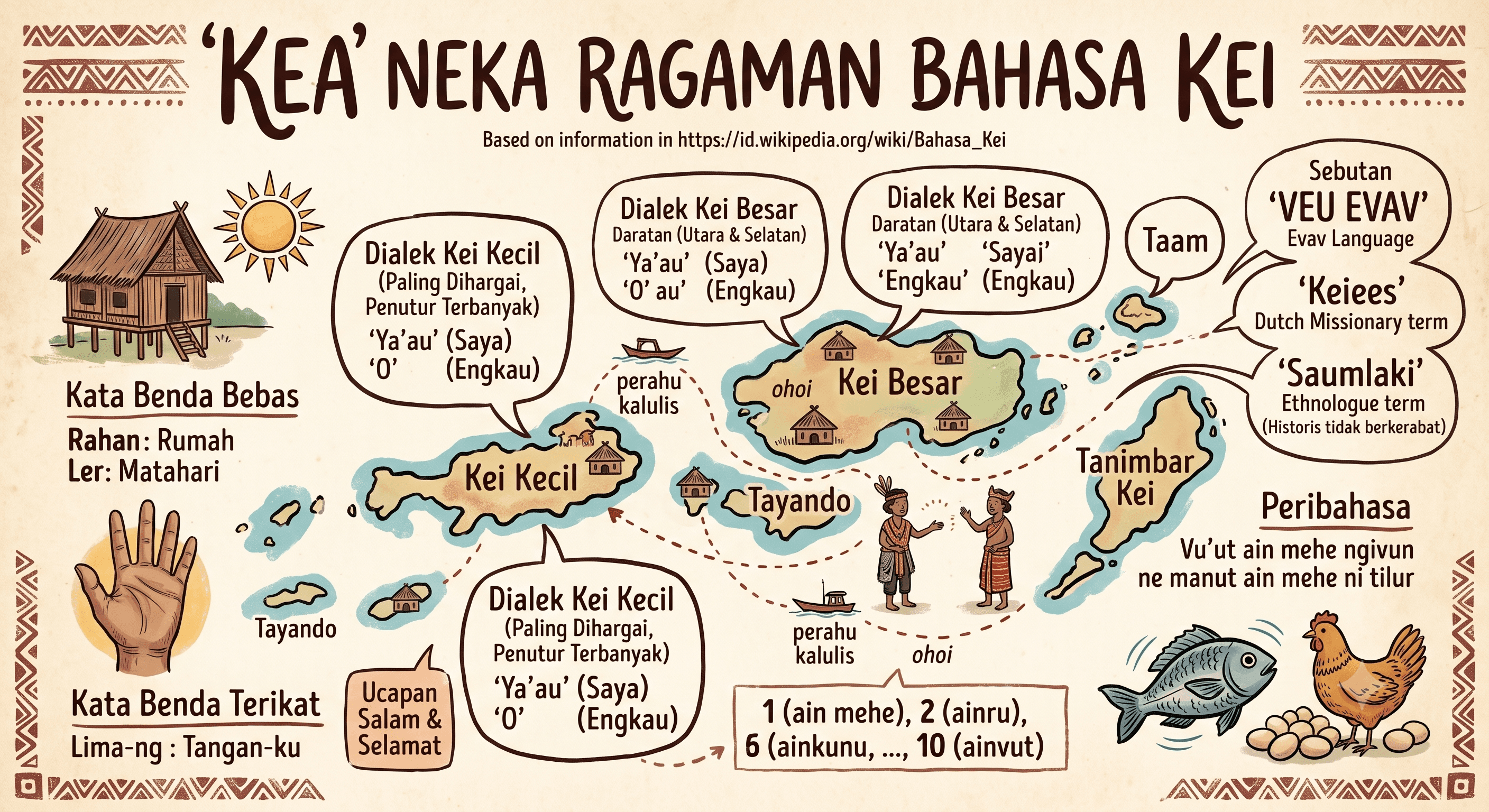
Kei Language (Evav)
A core identity and a dynamic means of communication. Vocabulary such as Marhoba, Ain Ni Ain, Yelim, Sasi, Maren, and Enma still live as accents in the daily life of the Kei people.
Usob o
Terima kasih
CULTURE & HISTORY
Come to know the soul of the Kei Islands, where custom, faith, and kinship blend into one peaceful breath of civilization.
Dive into Kei CultureLARVUL NGABAL
Red blood and the Balinese spear unite into one ancestral promise.
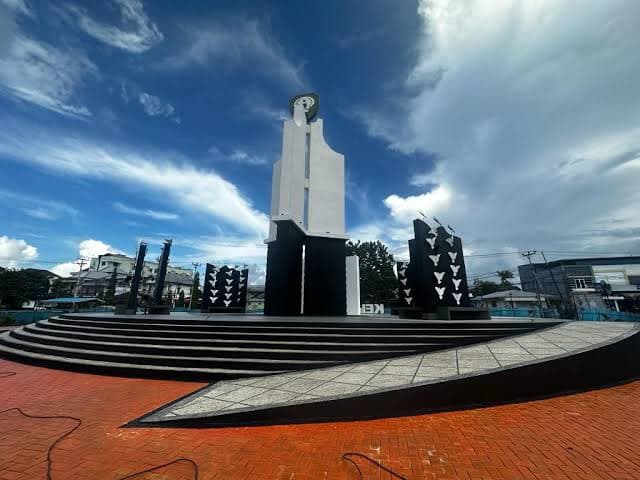
More than a rule, Larvul Ngabal is the breath that keeps Kei at peace — red blood and the Balinese spear unite into a promise: guard life, family, and land with dignity.
This highest customary law of the Kei people lives and is passed down orally from generation to generation. Its name is born from two laws combined: Larvul — lar (blood) + vul (red), “burning red blood” — and Ngabal — nga (spear) + bal (Bali), “Bali spear” the guardian of peace and noble dignity. Larvul was born from the Ur Siw / Lor Siw alliance (9 Rat of Elaar, Kei Kecil); Ngabal from Lor Lim (5 Rat of Lerohoilim, Kei Besar); both were unified into one customary law after a peace treaty.
Law of Humanity · Articles 1–4
Protects the life, honor, and dignity of every human being. Violence and murder are grave violations — life is worth more than wealth.
Law of Family & Marriage · Articles 5–6
Regulates the rites of marriage, respect for women, and the yanur–mangohoi kinship bond that upholds the family's dignity.
Law of Ownership & Justice · Article 7
Regulates property rights and social justice, symbolized by hawear — a stop sign (sasi) that guards shared boundaries and sustainability.
Larvul Ngabal consists of seven articles passed down orally. The first four articles come from the Larvul law (Nevnev), the remaining three from the Ngabal law (Hanilit & Hawear Balwirin) — united in one ancestral promise.
Protecting Life
Everyone has the right to live and to the safety of their body. Threatening, injuring, or taking a life is the gravest violation — life stands above wealth.
Murder
Murder (farira) is redeemed with a life replacement (vut wau / vuut faak) of gold, woven cloth, and livestock handed to the victim's family.
Torture
Physical violence and torture (wel reim) are strictly forbidden. Customary law guarantees the bodily integrity of every citizen under firm protection.
Theft
Anyone's property is protected by custom. Theft (rum raad) carries a heavy fine — gold, woven cloth, and livestock — as compensation to the owner.
Marriage & Honor
Regulates the marriage bond and upholds the honor of women (manyer aman). Extended families are united through belis in dignity, not merely a dowry.
Kinship Bond
Maintains the yanur (father's line) and mangohoi (mother's line) kinship bonds so the family's dignity stays whole. Breaking this bond tears the social order.
Boundary & Justice
Regulates property rights and social justice. Hawear — a stop sign (sasi) — guards shared boundaries and sustainability; violation (sasa sor fit) is redeemed with a customary fine.
Historical Role
Larvul Ngabal once served as a conflict dampener between religious communities in Kei — the 1999 conflict was resolved through a customary ceremony on 15 May 1999 with a sasi ritual closing the conflict. To this day it is used as a family-based dispute settlement mechanism, not merely a written rule.
ONE EGG, A THOUSAND RELIGIONS
More than mere tradition, these values are the pulse that keeps Kei at peace. The four pillars below explain why centuries have not been long enough to divide the kinship of Evav.
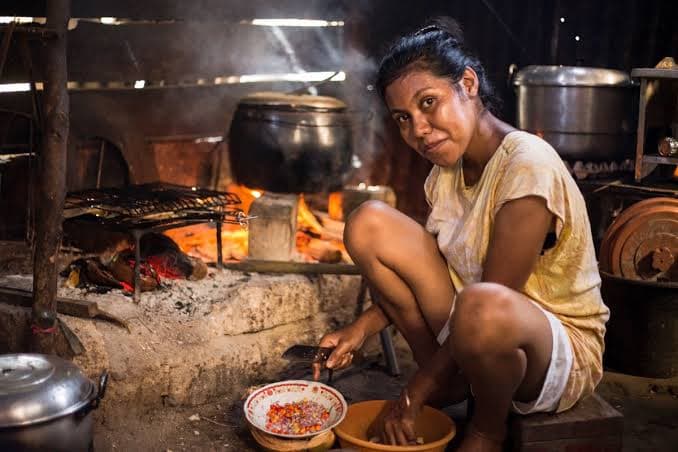
“One owns one” — everyone sees the other (the stranger) as a blood sibling. Strengthened by the images of Vuut Ain Mehe Ni Ngifun and Manut Ain Mehe Ni Tilur: all Kei people are siblings through one lineage. Its manifestation lives in Maren — cross-faith mutual cooperation.
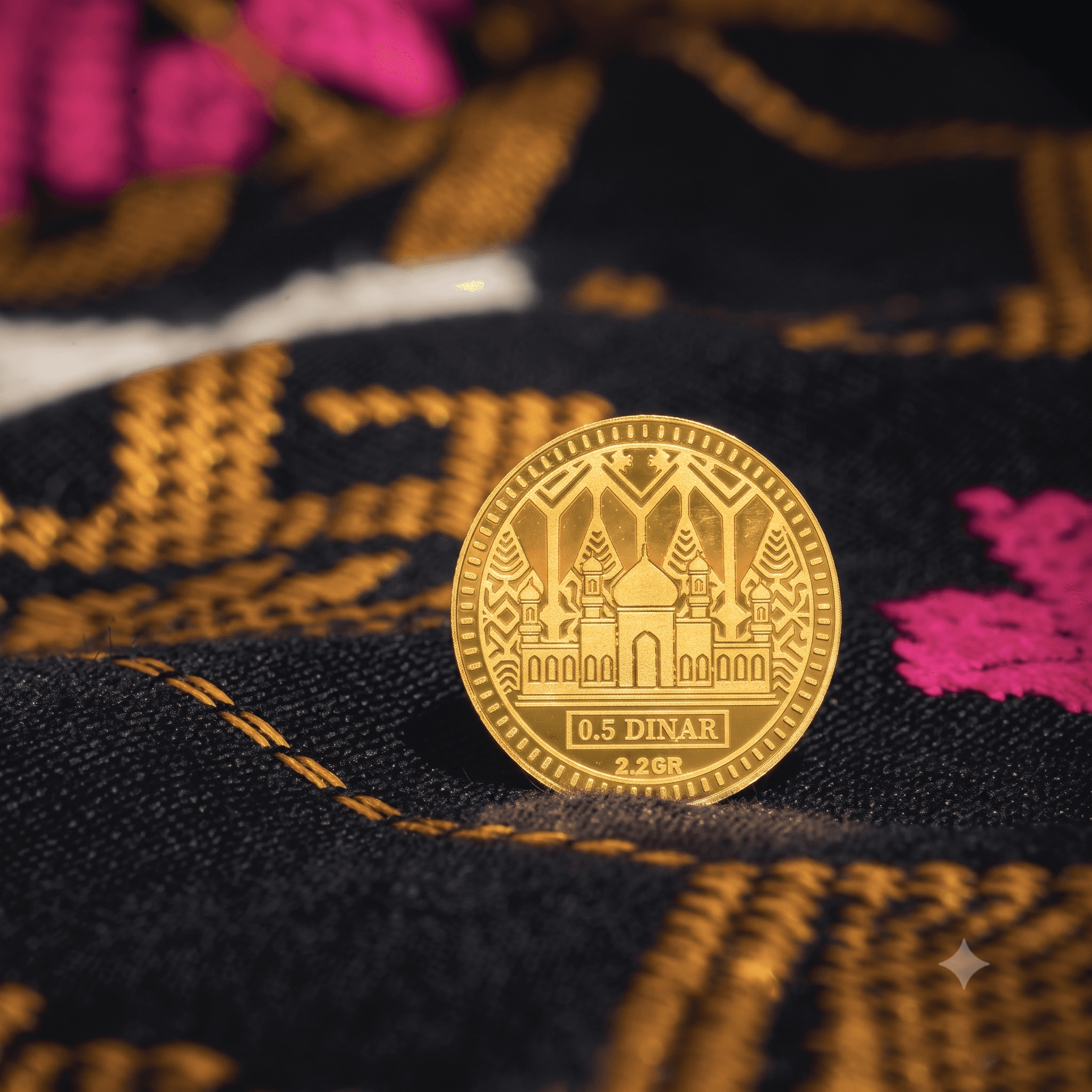
Not merely a dowry, but an honoring: Lela (copper cannon), gong, customary gold, and woven cloth that bind two families in dignity.
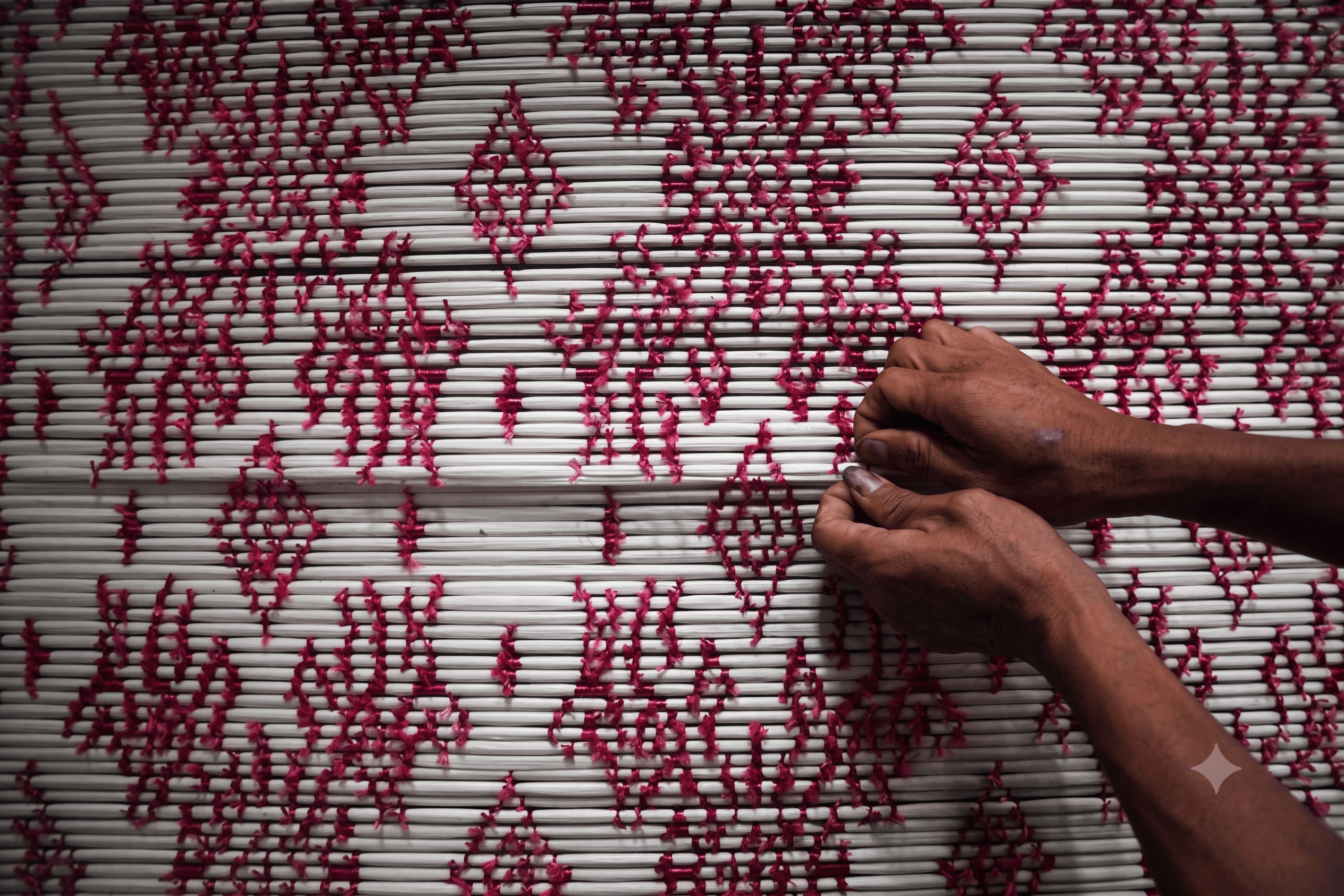
A cloth typical of Ohoi Elat whose motifs reflect local life and customary status — worn in ceremonies and forming part of the belis.

The trace of Islam's arrival in Kei since 1252 AD through Rat Nara, Tahiyat Yemru, and Langgiar Fer — the beginning of cross-faith harmony that endures to this day.
Connect with the Evav Family to plan an authentic, local-friendly, and deep cultural journey.
CULTURAL EXPRESSION
Kei culture is not kept in a museum, but danced, sung, and worn. Here is the pulse you can see and feel.
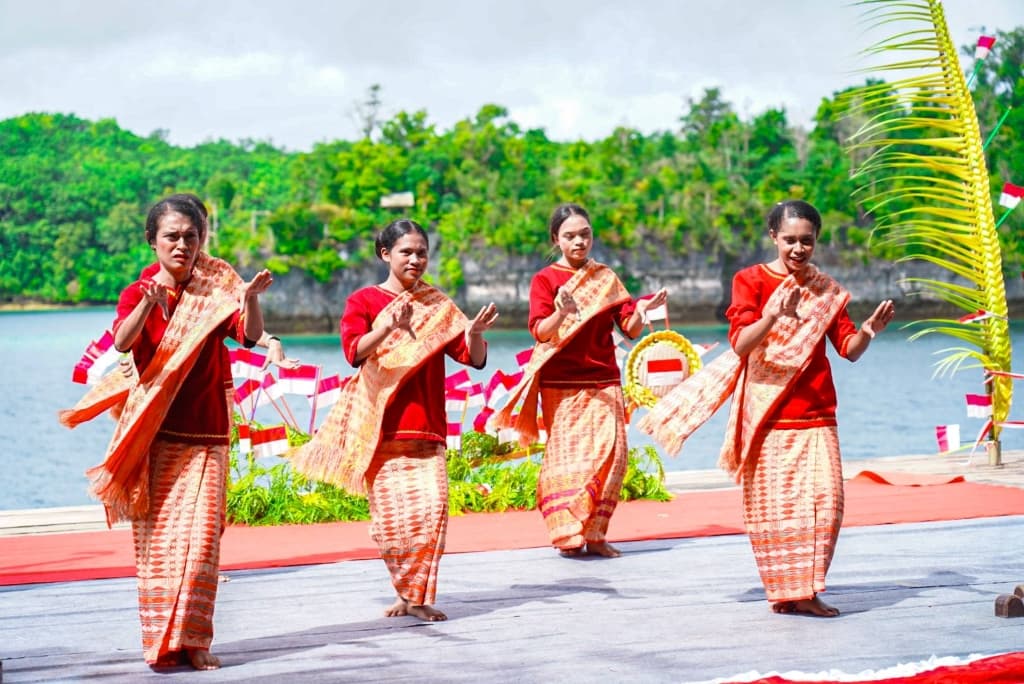
A social dance from Southeast Maluku served to welcome guests and weave kinship, friendship, and peace. Breathing Islam with Arab–Malay nuances, Sawat is accompanied by rebana, tifa, and flute — and often collaborates with Tifa Totobuang (Christian residents) as a symbol of cross-faith tolerance.
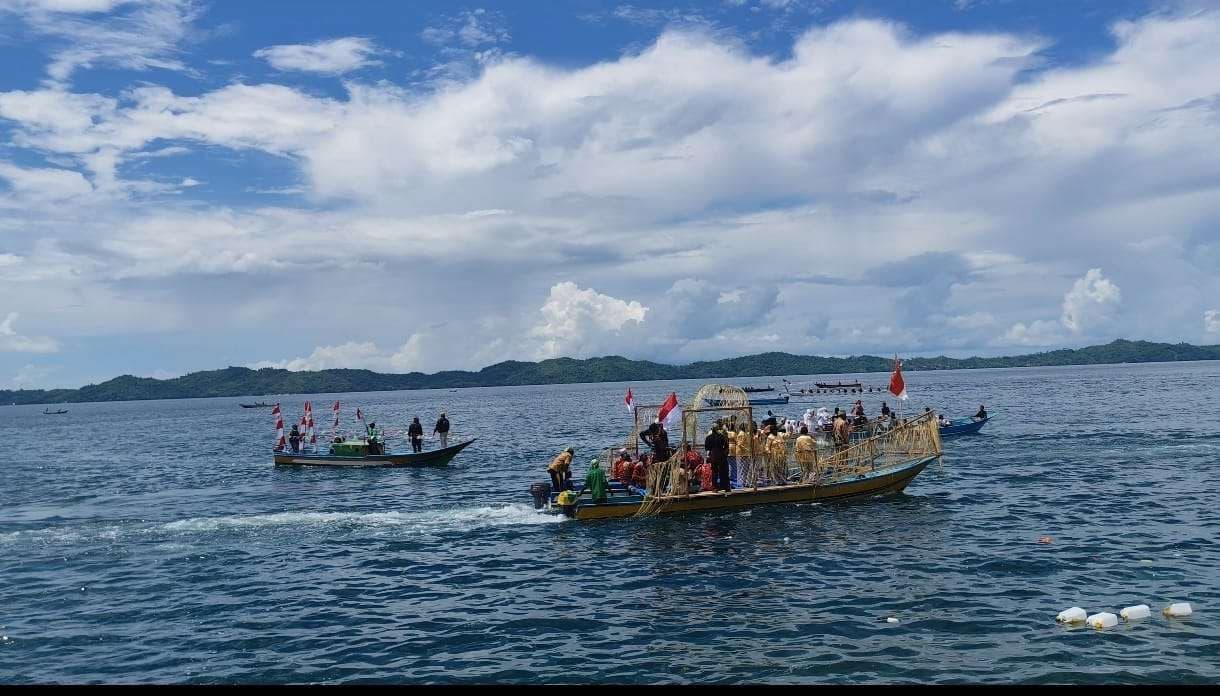
Belan is the traditional Kei sailing boat that once ferried people between islands. Now belan is modified into a boat-racing sport in the Meti Kei Charm Festival — a shared pulse that upholds the customary and cultural values of Evav upon the water.
Swipe to explore: Sawat Dance, Belan Dance
A social dance from Southeast Maluku served to welcome guests and weave kinship, friendship, and peace. Breathing Islam with Arab–Malay nuances, Sawat is accompanied by rebana, tifa, and flute — and often collaborates with Tifa Totobuang (Christian residents) as a symbol of cross-faith tolerance.
Belan is the traditional Kei sailing boat that once ferried people between islands. Now belan is modified into a boat-racing sport in the Meti Kei Charm Festival — a shared pulse that upholds the customary and cultural values of Evav upon the water.
Swipe to explore: Sawat Dance, Belan Dance
“Kei culture is not an artifact of the past — it is a living guide, passed from mouth to mouth, from hand to hand.”
Heritage for the future of the Evav tradition
INTANGIBLE HERITAGE
Every October, the Kei sea unveils its bed. Communities descend together to tend what gives them life — harmony between humans and nature.
A core identity and a dynamic means of communication. Vocabulary such as Marhoba, Ain Ni Ain, Yelim, Sasi, Maren, and Enma still live as accents in the daily life of the Kei people.
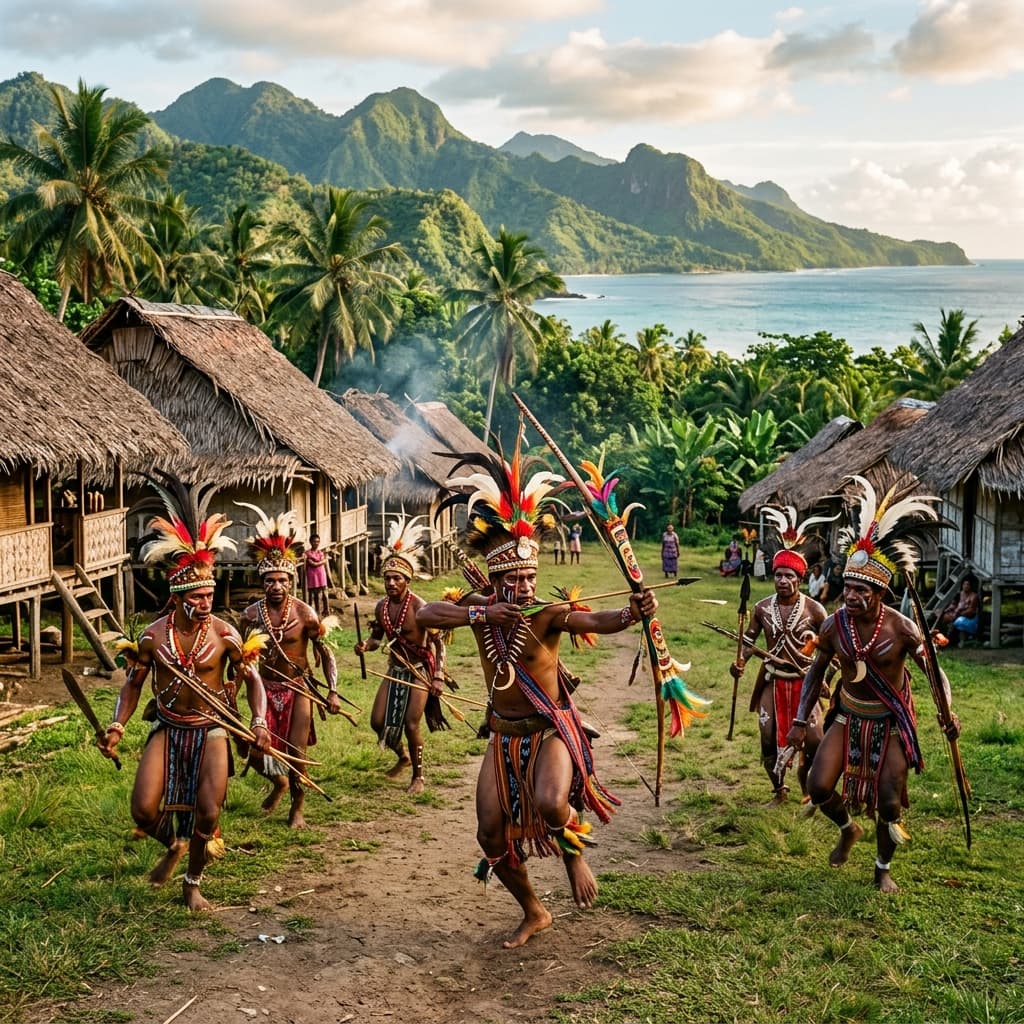
A heritage of oral narratives that shape moral values — including the tom-tad (oral history) of the origin of Larvul Ngabal and the tales of migrant ancestors (mel) merging with native peoples (ren).
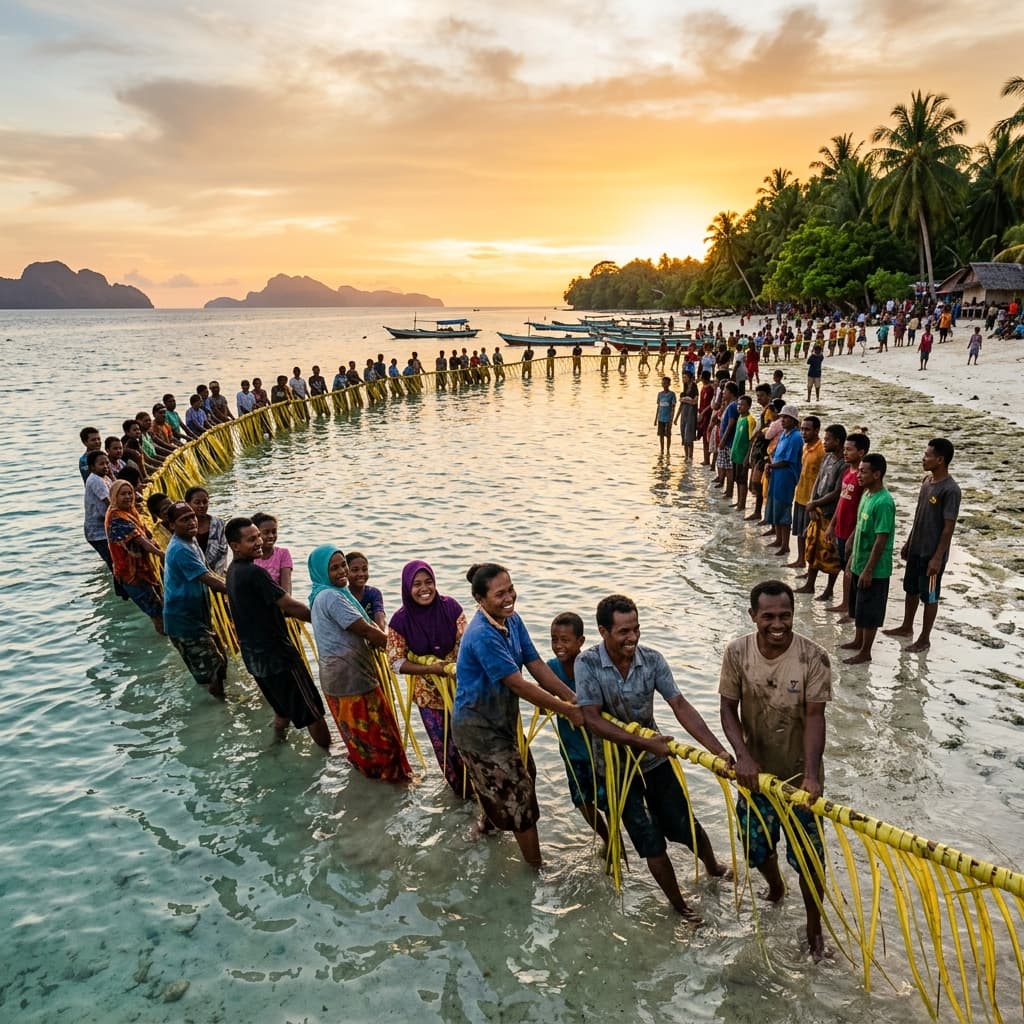
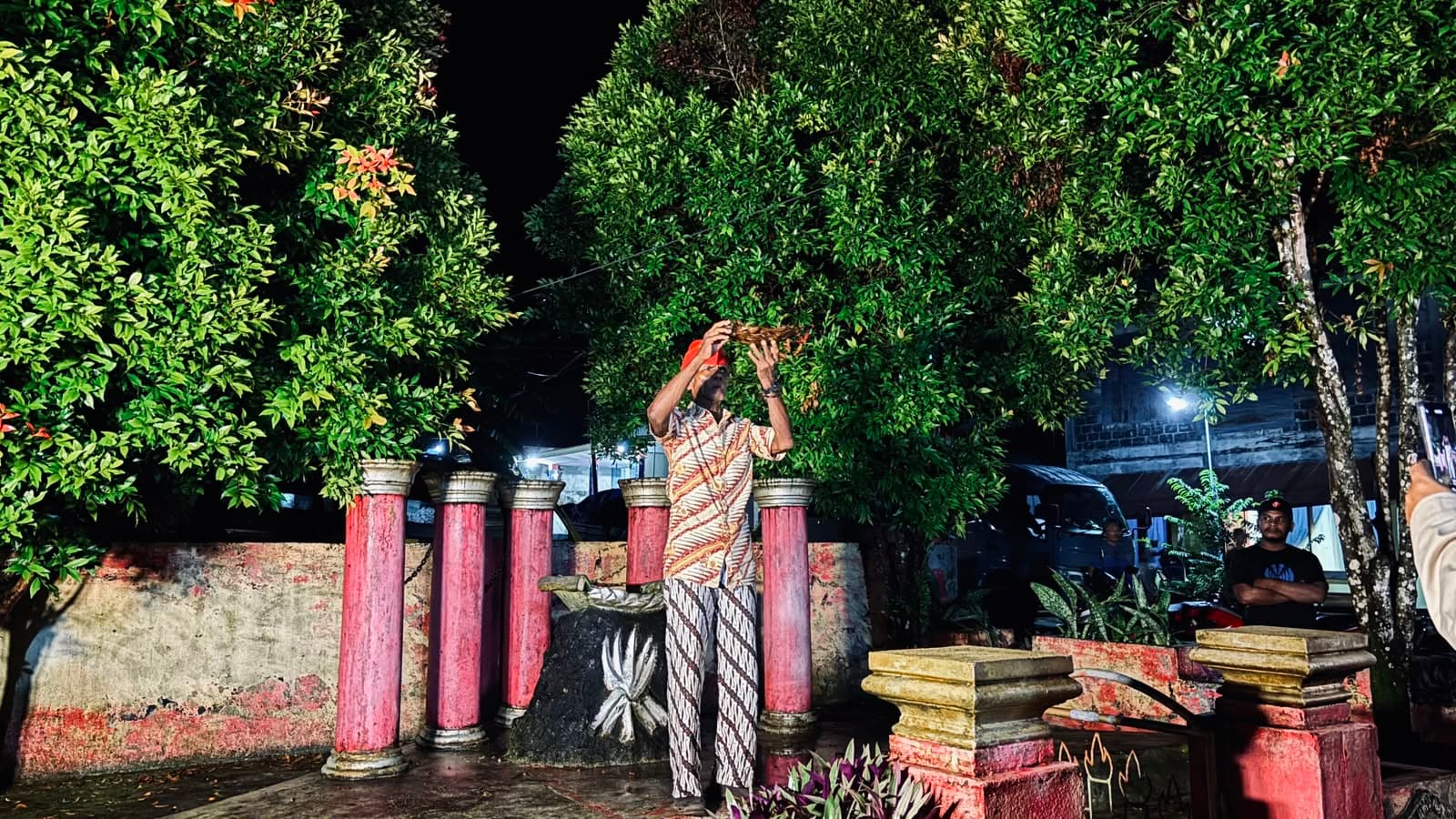
Meti — the extreme low tide each October–November, receding hundreds of meters. Communities harvest the sea through Wer Warat / Hair Yot (pulling a yellow-palm-frond rope to herd fish ashore), reinforced by sasi. Celebrated in the Meti Kei Charm Festival.
METI KEI CHARM FESTIVAL
When the Kei sea unveils its bed, the people do not merely descend to harvest — they celebrate. Since being packaged into an annual festival, the daily pulse of Evav has become a cultural stage that sustains many families: from fishers and weavers to guides, UMKM players, and creative communities.
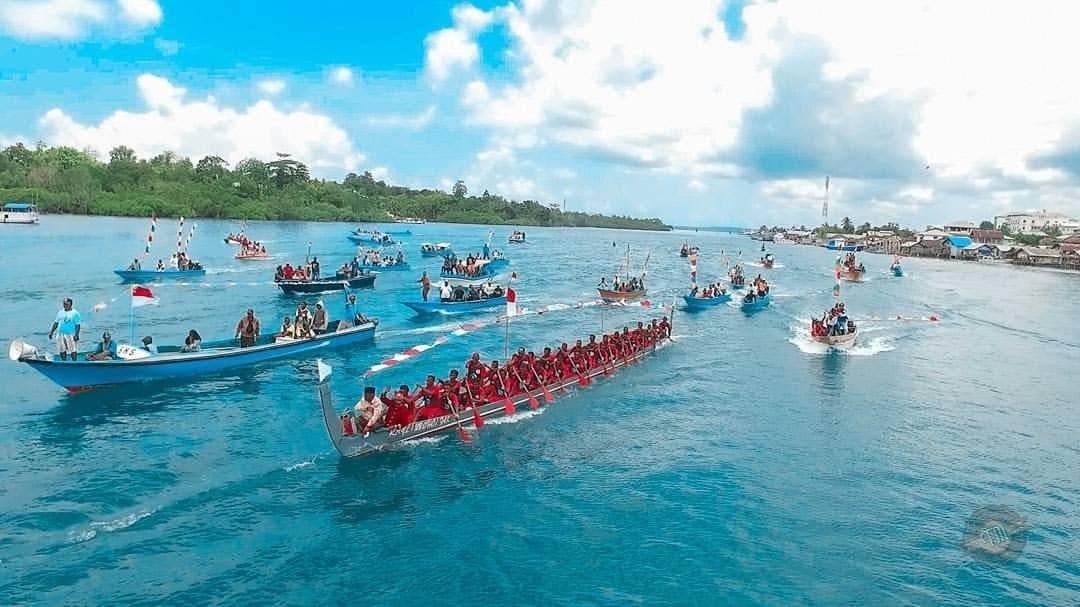
from 110 top events across Indonesia
Since first celebrated in Ngilngof (2017), the meti tradition was packaged into an annual festival — turning a unique daily community activity into a marketable tourism attraction.
Fully supported by district, provincial, and central government through Kemenparekraf's Kharisma Event Nusantara (KEN) — selected 6× consecutively from 110 events across Indonesia. This cross-level support ensures the festival runs year after year and can be relied on by tourists.
The festival invites tourists to explore other destinations in Kei at the same time — making it the entry point for promoting the whole region, not just a single-point event.
Full involvement of local talent, UMKM players, and creative communities spreads the economic circulation across many sectors at once: culinary, crafts, local transport, lodging, and guiding services. It is not one organizer who profits, but the community's economic chain moving together every year.
KEI TIMELINE
From the arrival of Islam centuries ago to woven cloth rediscovered by the world — these are the milestones that tie Kei's past and future together.
1252 AD
Islam entered through Rat Nara, Tahiyat Yemru, and Langgiar Fer — the beginning of the cross-faith harmony characteristic of the Kei Islands community.
Ancestors
The laws Larvul (Lor Siw, 9 Rat) and Ngabal (Lor Lim, 5 Rat) were unified into one oral customary law after a peace treaty between alliances.
15 May 1999
Inter-religious conflict was resolved through a customary ceremony with a sasi ritual closing the conflict — proof of Larvul Ngabal as a dampener of division.
Now
A celebration of extreme low tide now on the national tourism calendar — a stage of local wisdom guarding the sustainability of the marine ecosystem.
Adat
The coronation of the Rat (King) of the Manyeuw Kingdom from the Watratan Clan is held in the Rumadian Forest — a sacred heirloom where ancestors swore to affirm the sovereignty of Ratskap Manyeuw Rumadian on the land of Evav.
2024
The motifs of the ikat weave typical of Ohoi Elat found a new stage — from customary ceremonies to social media (Instagram) spotlights introducing it to the younger generation.