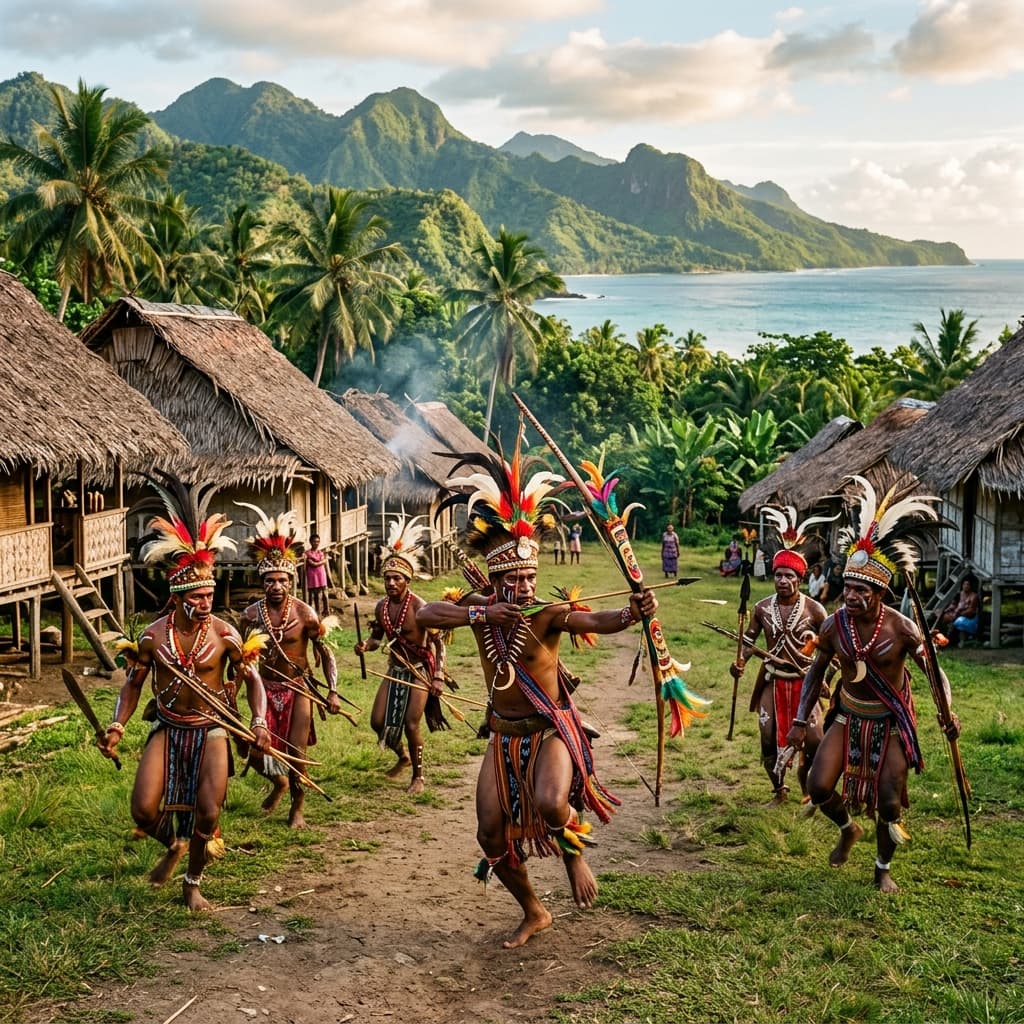
Heritage of the Kei Islands
Traces that Carve Evav
Two great stories from the Land of Evav — the devotion of a son of Southeast Maluku who steadfastly guarded Indonesia's sovereignty, and the Ratskap Manyeuw Rumadian customary sovereignty upholding the ancestral law.
Explore the HeritageWhy This Heritage Lives
Two Traces, One Evav Soul
In Kei, history is not kept in a drawer. It walks on the sand, speaks through the gong, and guards the coastline. Let us meet the two pillars that keep Evav standing — one from the State, one from Adat — both belonging to us.
Patriot Trail · I
Karel Sadsuitubun, Son of Evav
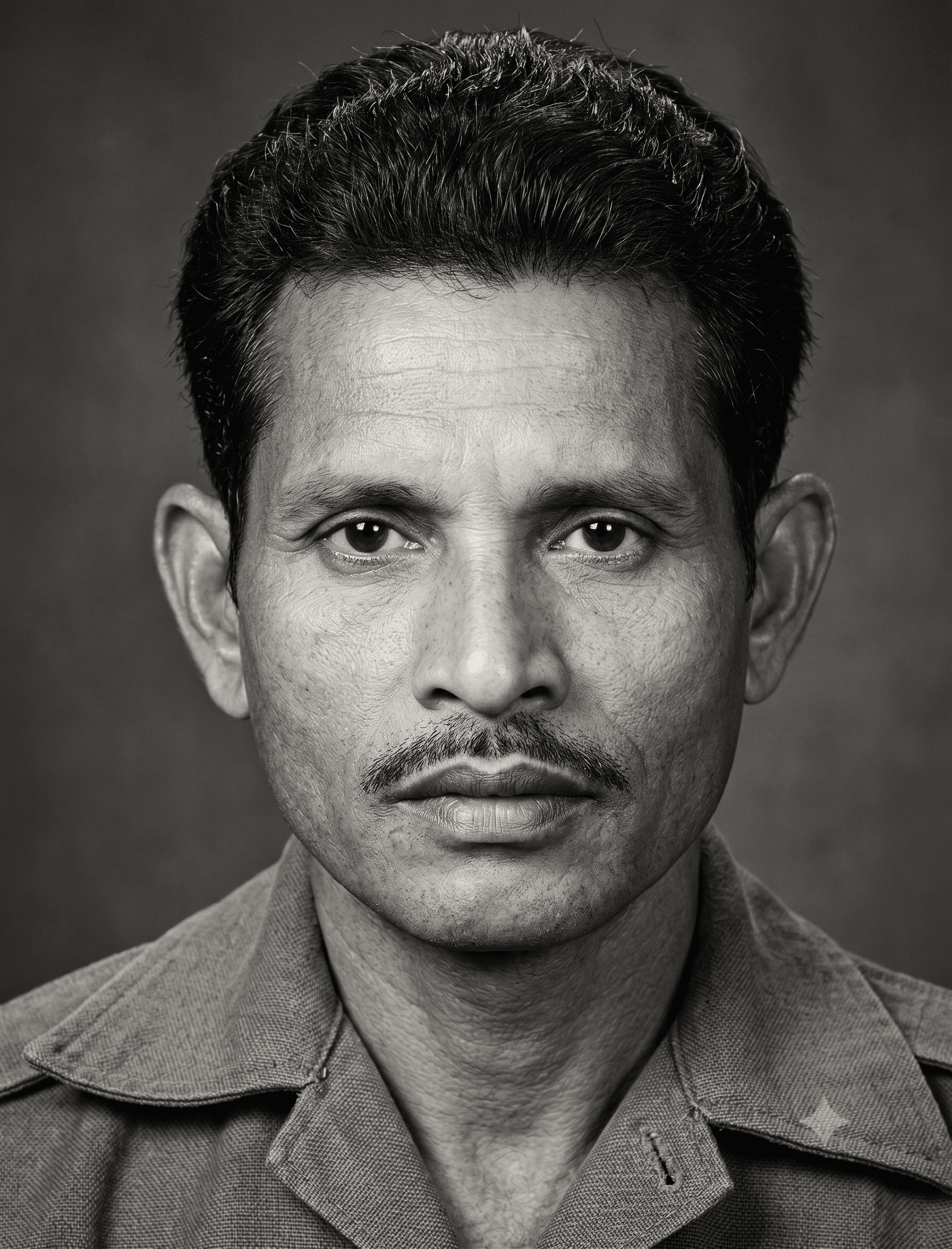
Born 14 Oct 1928 with the nickname “Kace”, Karel Sadsuitubun was a son of Ohoi Rumadian, Southeast Maluku, who spent nearly his entire life in devotion to guarding the red-and-white. From RMS Ambon, DI/TII Aceh–Sulsel, PRRI PERMESTA 1958, to TRIKORA 1961, his footsteps weave a long chapter of Indonesia’s sovereignty.
He is not merely a name in the archives. He is living proof that even the smallest son of the eastern islands stands shoulder to shoulder in guarding the nation’s unity.
Background
1928
The year 1928 was no mere number. In Ohoi Rumadian, a life was born to later bind itself to the fate of a young nation just sprouting. The nickname “Kace” grew amid the Kei adat that teaches brotherhood — a value he would carry to a far wider field of devotion than his homeland.
His humble origins became a firm root: that love of country is not decided by birthplace, but by the willingness to defend the one.
Patriot Trail · III
Footsteps
- RMS Ambon
Early Struggle Against RMS
Karel Sadsuitubun upheld Indonesian unity against the Republic of South Maluku (RMS) rebellion in Ambon, affirming his stance in defense of the Unitary State of the Republic of Indonesia.
- DI/TII Aceh–Sulsel
Safeguarding Stability in the East and West
During the Darul Islam/Indonesian Islamic Army (DI/TII) movement in Aceh and South Sulawesi, he helped maintain regional stability for the integrity of the republic's sovereignty.
- 1958
PRRI PERMESTA
In 1958, he was involved in handling the Revolutionary Government of the Republic of Indonesia / Universal Struggle (PRRI PERMESTA), safeguarding national unity amid a regional crisis.
- 1961
TRIKORA — Liberation of West Irian
Through Trikora (1961), Karel Sadsuitubun joined the spirit of liberating West Irian, widening his devotion to a whole and undivided homeland.
Patriot Trail · IV
Tragedy & Final Devotion
In the G30S/PKI tragedy on 30 Sep 1965, Karel Sadsuitubun fell while carrying out his state duties. He was in the entourage of WAPERDAM II Dr. J. Leimena, his final devotion leading him to the edge of life for the red-and-white.
The tragedy did not end his story. He was named a Revolutionary Hero — an eternal name, not mere memory.
Patriot Trail · V
Honor & Awards
Revolutionary Hero
Conferred the title of Revolutionary Hero for his devotion and sacrifice in safeguarding Indonesia's sovereignty.
AIPDA Posthumously
Bestowed the rank of Second Police Inspector (AIPDA) posthumously as the highest honor for his service.
2nd Class Star of the Republic
Received the 2nd Class Star of the Republic of Indonesia, the state's highest decoration for the nation's finest sons.
Patriot Trail · VI
An Enduring Legacy
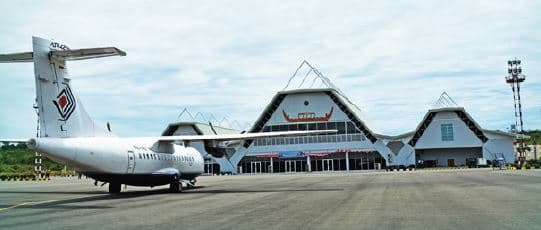
Karel Sadsuitubun Airport
The airport in Langgur that bears his name — the air gateway to the Land of Evav.

KRI Karel Sadsuitubun (356)
The Indonesian warship that carries his name, sailing to guard the archipelago.
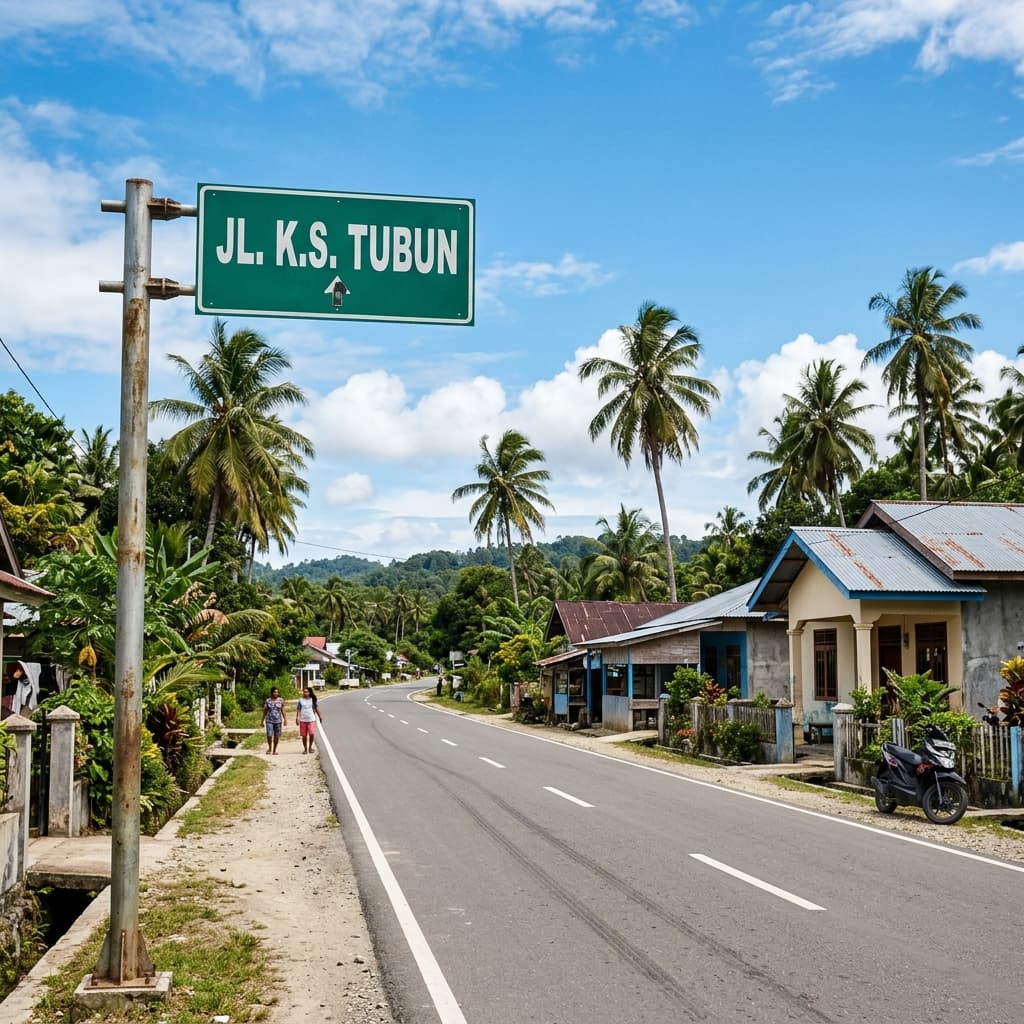
Karel Sadsuitubun Street
Streets across the region that inscribe his patriotism into the daily lives of citizens.
Formal Portrait of Karel Sadsuitubun
The official portrait of Evav's son that adorns state rooms as a reminder of his service.
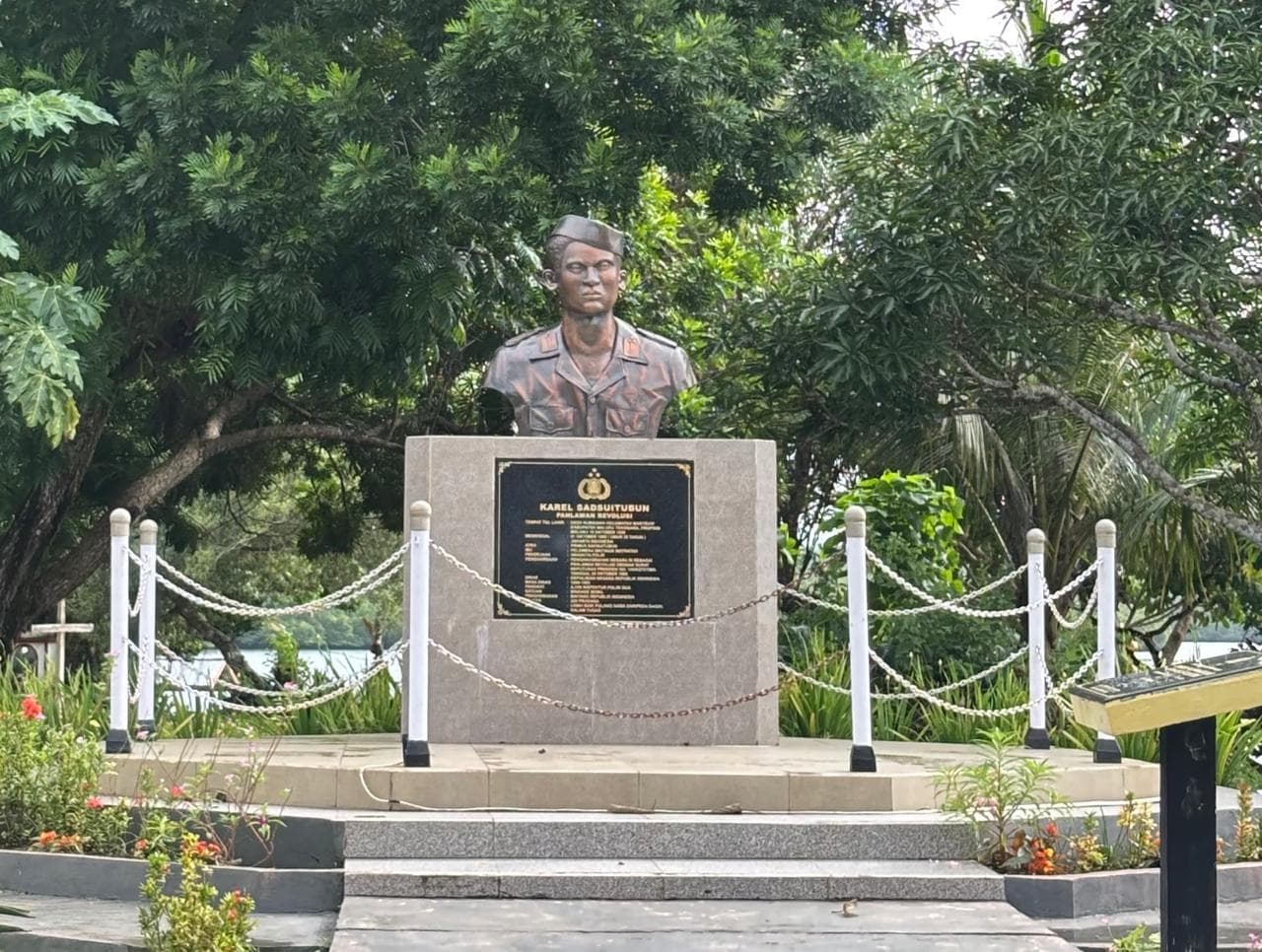
Monument of Devotion
A monument standing in memory of his spirit and sacrifice for the red-and-white.
“Let us remember and nurture the patriotic spirit he bequeathed. History is not merely a record of the past, but a compass for a future built upon Pancasila and the 1945 Constitution.”
Sovereignty Trail · I
Ratskap Manyeuw Rumadian

In the 1870s, Ratskap Manyeuw Rumadian stood as a pillar of customary sovereignty in the Land of Evav. It kept the ancestral law Larvul Ngabal upright, binding agreements and nurturing peace among villages in the spirit of Kei brotherhood.
In Ohoi Tel Nangan, that sovereign footprint still beats — in the gong, in the clan, and in the seven villages that swore under the same wings.
Sovereignty Trail · II
Leadership Philosophy “Rat Manyeuw”

“Rat Manyeuw” is a small eagle — not showing off, yet seeing far and guarding its land with calm. Such is how a true Kei customary leader leads: humble, sharp of sight, and grounded in the one.
Leadership is not about standing above others, but about spreading a protective wing over every village entrusted to him.
Sovereignty Trail · II-b
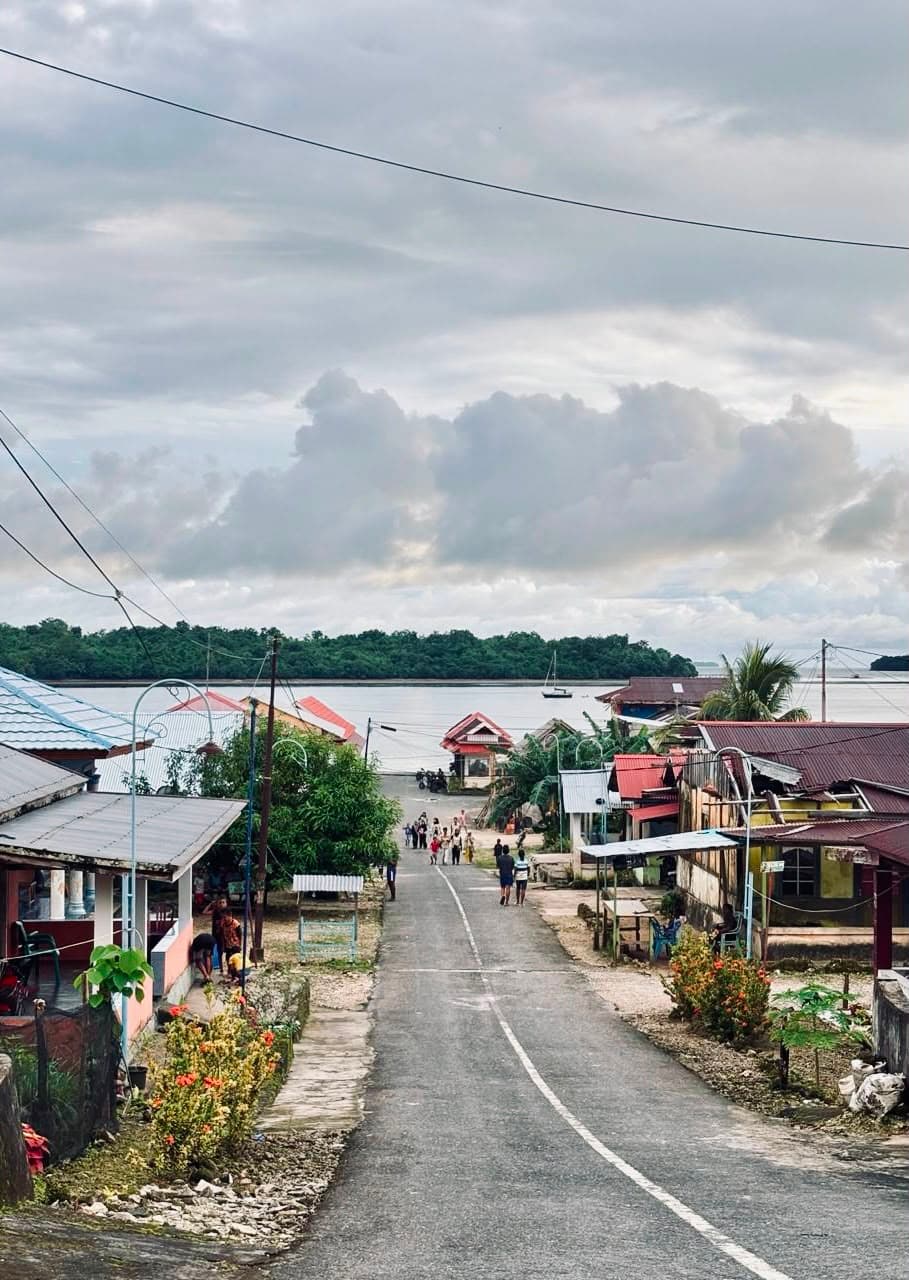
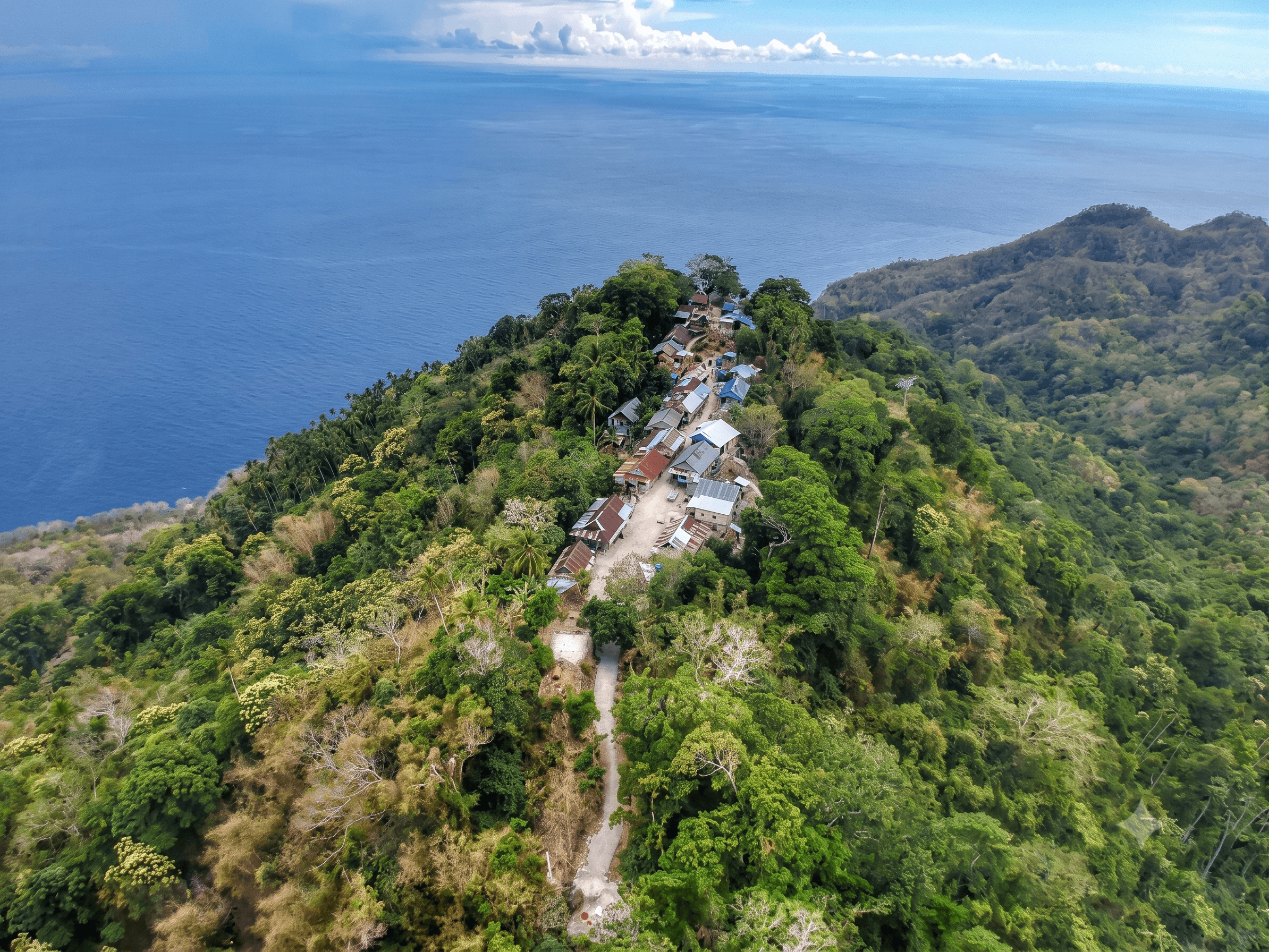
The Seven Sworn Customary Villages
Sovereignty Trail · III
Historical Legitimacy
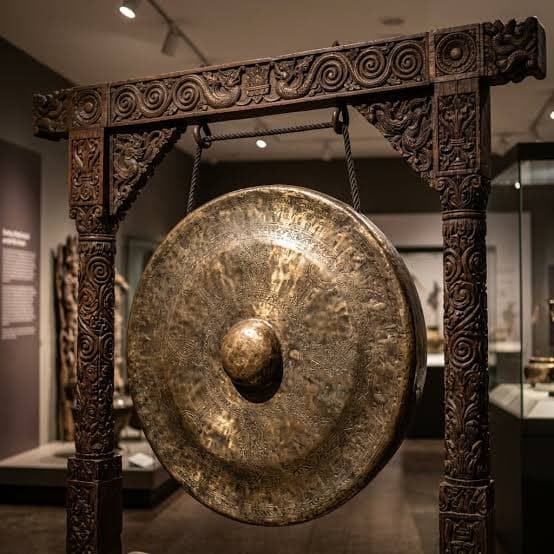
The Dada Wadlau Gong
The highest symbol of legitimacy of Ratskap Manyeuw Rumadian — the gong’s voice binding the validity of customary sovereignty in the Land of Evav.
Pata Limi
Pata Limi is the joint of the customary agreement that binds five parties in the Larvul Ngabal covenant — the foundation upon which Ratskap Manyeuw Rumadian affirms its legal validity.
Rat Yarbedang & Rat Amardai
Two binding figures in the history of Ratskap Manyeuw Rumadian who, together with the Dada Wadlau gong, guard the unity and preservation of Kei customary sovereignty.
Sovereignty Trail · IV
Realm of Power
The sovereignty of Ratskap Manyeuw Rumadian shelters the seven customary villages that swore under the same ancestral law.
- Debut
- Lairngaggas
- Selayar
- Namar
- Ngilngof
- Ngayub
- Ohoiluk
Sovereignty Trail · V
Watratan Clan Succession Line
- Rat Henrikus Jang Watratan
Leader of Ratskap Manyeuw Rumadian from the Watratan clan who upheld the Larvul Ngabal customary law, keeping customary sovereignty standing in the Land of Evav.
- Rat Norbertus Watratan1994
Continuing the Watratan clan succession line in 1994, bearing the moral duty to safeguard protection, customary law, and the preservation of Kei ancestral heritage.
Sovereignty Trail · V-b
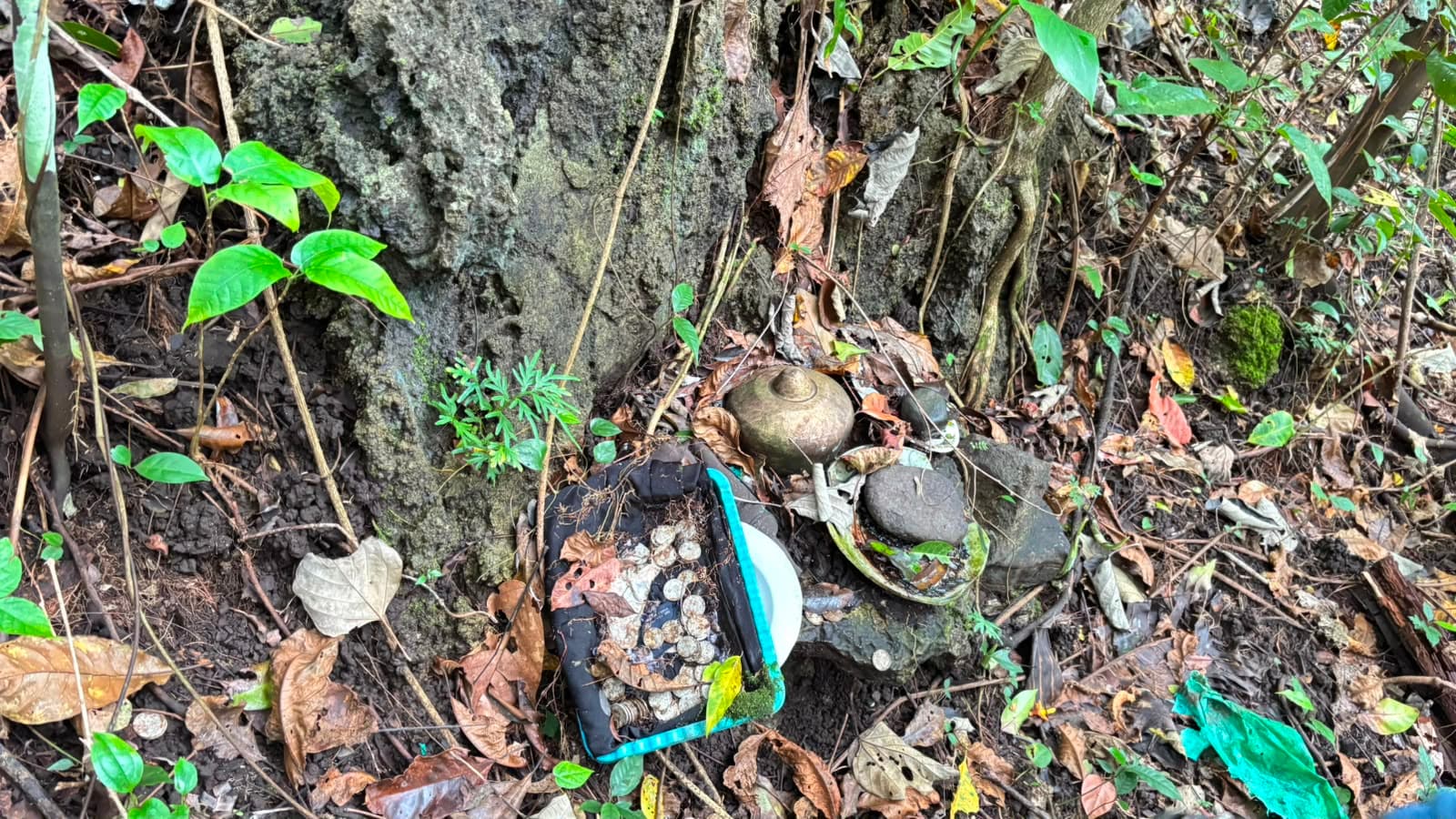
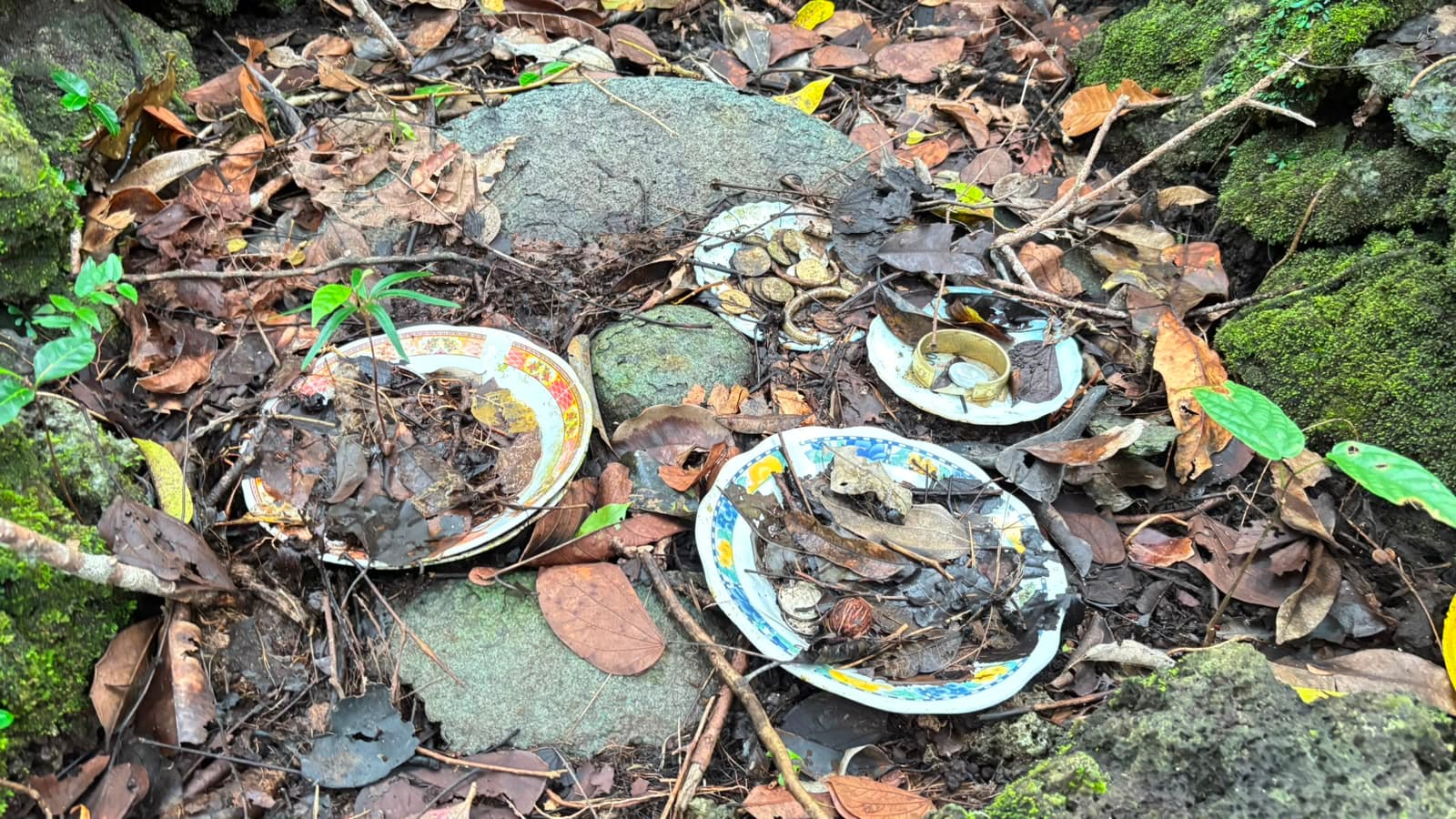
Tracing the King's Installation
Tracing the King’s installation invites us to follow the coronation of the Rat (King) of the Manyeuw customary kingdom, rooted in the Watratan clan. This customary ceremony is held in the Rumadian Forest, a sacred heirloom where the ancestors swore to affirm the sovereignty of Ratskap Manyeuw Rumadian in the Land of Evav.
Location: Rumadian Forest, in the Watratan clan territory
Sovereignty Trail · VI
Moral Responsibility
Protection
Guarding and protecting all citizens under the wings of Ratskap Manyeuw Rumadian, so that everyone rests in the soothing embrace of adat.
Customary Law
Upholding Larvul Ngabal as the root of ancestral law, binding agreements and disputes in mutually respected equality.
Preservation
Caring for the Dada Wadlau gong, Pata Limi, and the memory of the seven customary villages so the nation's identity heritage lives on from generation to generation.
“Tracing the history of Ratskap Manyeuw Rumadian is to understand the heartbeat of Kei culture. Let us together honor and preserve the living heritage of our national identity that continues to this day.”
In Tribute
Two Legacies That Still Beat
Tracing the history of Ratskap Manyeuw Rumadian means understanding the heartbeat of Kei culture. Together with the devotion of Karel Sadsuitubun, who guarded the red-and-white, both remind us: the heritage of Evav is no finished tale — it still lives, still beats, still waits for us to care for it.

A Word from the Evav Family
This Heritage Is Ours to Share
In Kei we are all kin — including the ancestors who wrote this history. Having traced their footsteps, let us bring home not just a story, but the warmth of the Kei table. Until we meet again in the Land of Evav.
Closing words
Ain Ni Ain